Welcome to Hugs2horses Rescue Center
Rescuing and rehoming horses with love and care
Rated 5 stars
★★★★★
Our Services
Helping horses find safe, loving homes through rescue and care.
Horse Rescue
We take in abandoned, neglected and abused horses, giving them a second chance.


Get Involved
There are so many ways you can help a horse in need. Donate, volunteer, or by support our mission to help horses in need.


Join Us
Stay connected with hugs2horses updates
Who We Are
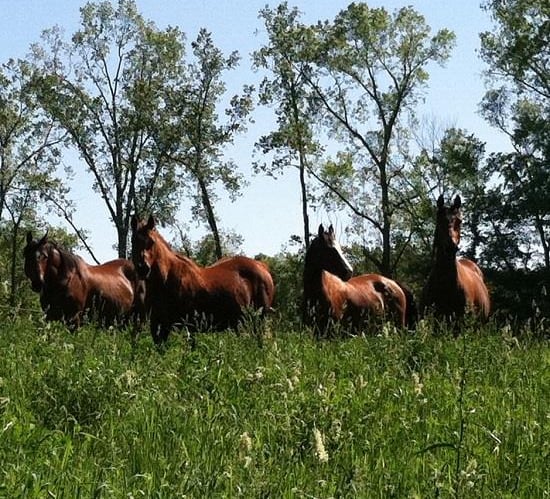
At hugs2horses, we rescue and care for horses that have been abused, abandoned, and neglected. Our goal is to offer a sanctuary for horses that have no other place to go. We are a family owned facility that has been saving horses since 1999. We are limited on how many horses we can take in these days. The economy has hit us hard financially as well as with available forever homes, and with finding help to maintain them in the manner they deserve. We had to take a couple of years off because of health issues and getting up there in age. But we are back and doing what we love to do. If you love horses as much as we do join us.
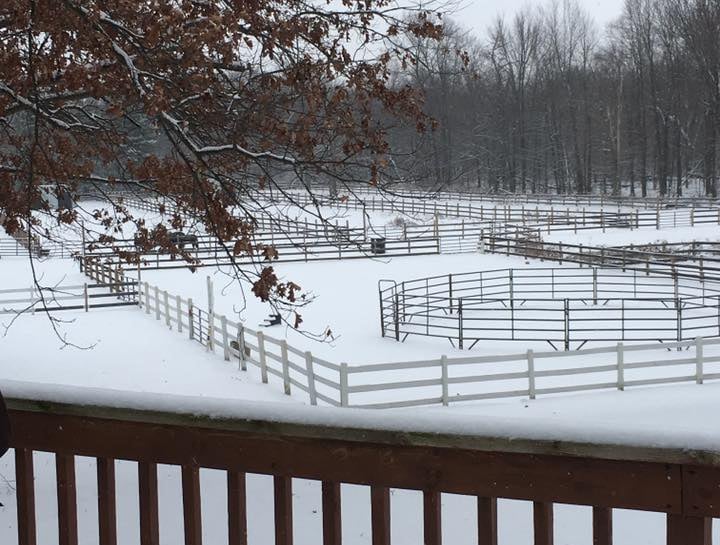
Once the weather changes we will need so much help getting the horses the barn and grounds back into shape. After winter clean-up is always the hardest part of the year. Keep that in mind as the snow melts and the days get warmer.

Our Mission
Get Involved
We offer adoption, volunteering, and donation opportunities to help give these horses a second chance. We are not taking volunteers at the moment because of the weather. Your safety is our priority along with the animals here on the farm. We can take donations or gifts of certain items. Such as feed, saw dust in bags, straw for bedding, supplements, wormers and more. If you are wanting to donate items like feed or supplements please contact us so we can give you the proper type of grain, feed or supplements that the horses are already on. As a horse lover would know changing feed can cause digestive issues.
Thank you in advance - Joanna
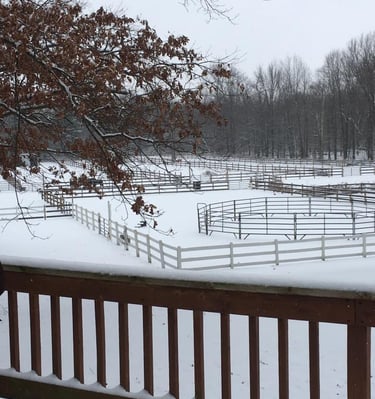
Our Facility
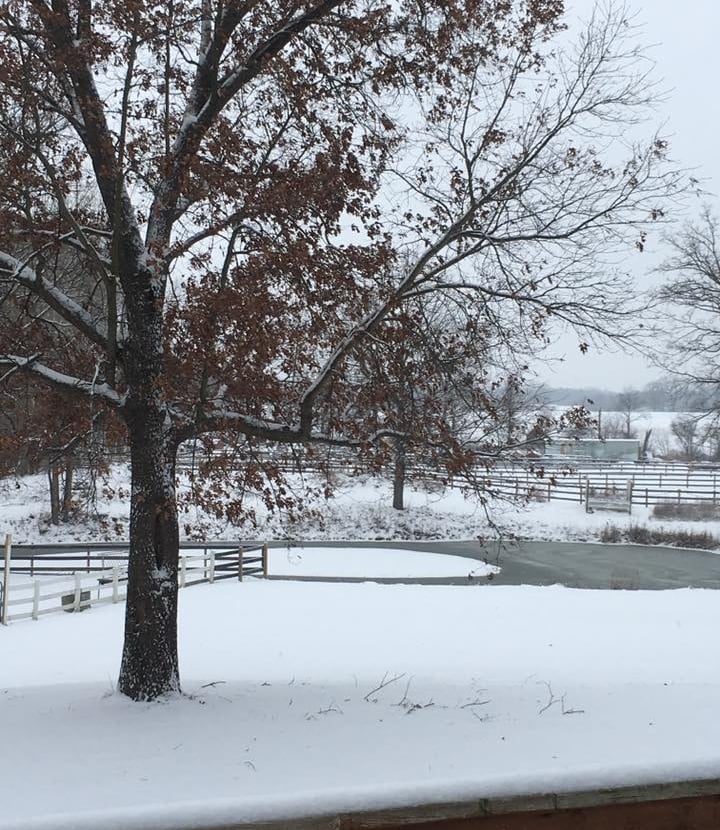
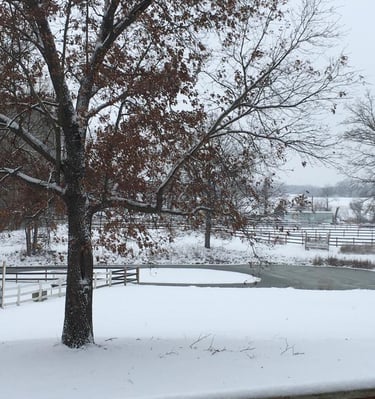
This has been a cold winter. We are working our way through it, but these minus temps make some serious cold. I'll keep you updated as the weather gets better. Please stay warm and safe and if you can manage to get out enjoy the cold. There is so much fun you can have if you look around.




Get in Touch
Reach out to hugs2horses to learn how you can help or adopt a rescued horse.
Phone
(517) 304-3853
support@hugs2horses.com
Our Home
Nestled in Livingston County, Michigan, hugs2horses is where every horse finds a fresh start and loving care.
Address
Fowlerville Michigan
Hours
By Appointment Only - support@hugs2horses.com
Rescue Stories
Meet horses saved from tough pasts. I am going to include a a link here shortly where you will be able to read stories about some of the wonderful horses that have managed to come through here. COMING SOON!


Adoption Joy
See happy endings as our horses find loving homes where they thrive and bring joy. Since 1999 we have rescued, given medical attention, managed, and found great homes for 1.871 horses. We have had as many as 77 on the grounds at one time, but these days we keep that number limited to a much smaller number.


Get Involved
Join us by volunteering, donating, or spreading the word to help more horses find safe havens. Come check us out at one of the many events we have over the year. I am sure we have something that will excite you enough to get involved.